Non-surgical
Skin Care
Clinically advanced treatments for acne, scarring, pigmentation and the texture underneath.
4 – 6 sessionsCourse
45 – 75 minutesSession
None to 3 daysDowntime
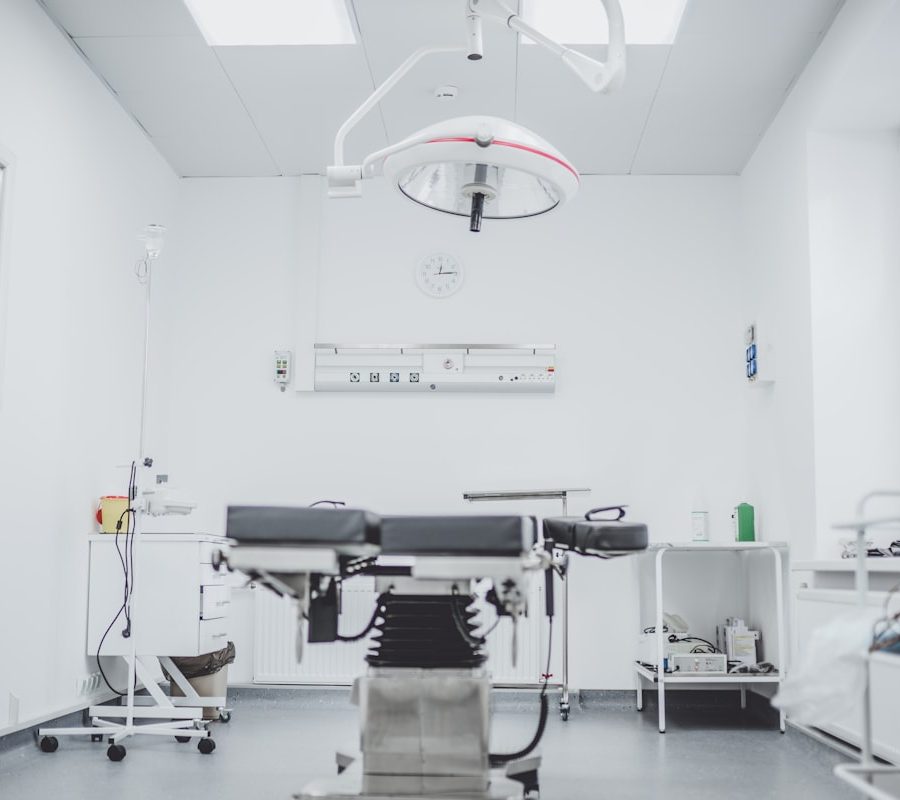
Skin came into the clinic because patients kept asking. The same face that has just had a hairline rebuilt is the face they look at every morning, and acne scarring or uneven pigmentation was undoing the confidence the transplant gave back.
We run a diagnostic consultation the same way we do for hair: what is actually happening, what will respond, and what will not. Active acne is treated medically before anything resurfacing is discussed, because resurfacing inflamed skin makes scarring worse rather than better.
Protocols include medical peels, microneedling with radiofrequency, and pigment-specific treatment. Courses run four to six sessions spaced three to four weeks apart.
Best for: Acne and acne scarring, post-inflammatory pigmentation, melasma, and skin texture.
- Course
- 4 – 6 sessions
- Session
- 45 – 75 minutes
- Downtime
- None to 3 days
- First changes
- 4 – 8 weeks
The Process
Your Journey With Sapphire
-
01
Consultation
A conversation about your goals and history.
-
02
Hair Analysis
Density, donor area and pattern mapping.
-
03
Planning
Graft count and hairline drawn to your face.
-
04
Procedure
A single day under local anaesthetic.
-
05
Recovery
Guided washing, medication and check-ins.
-
06
Results
Full density between ten and twelve months.
Questions
Frequently
Asked Questions
Still unsure? Our coordinators answer questions by phone or WhatsApp before you commit to anything.
Ask us directlyTransplanted follicles are taken from the donor area at the back and sides of the scalp, which is genetically resistant to the hormone that causes pattern hair loss. Those grafts keep growing for life. Untreated native hair around them can continue to thin, which is why a plan often includes maintenance treatment.
The scalp is fully numbed with local anaesthetic, delivered with a pressure applicator so the injections themselves are barely felt. Most patients read, watch something or sleep through the day. Mild tenderness for two to three nights afterwards is normal and managed with simple painkillers.
It depends on the area being covered, your donor density and how coarse your hair is. A frontal hairline typically needs 1,500–2,500 grafts; a hairline with crown coverage usually falls between 3,000 and 4,500. We only quote a number after measuring your donor area under magnification.
Both extract follicles one at a time. With FUE the recipient channels are opened first — with sapphire blades in our clinic — and grafts are placed into them. With DHI the channel is opened and the graft implanted in a single movement using an implanter pen, which gives finer control of angle and depth and suits dense packing or working between existing hair.
Most patients return to desk-based work after three to five days. Visible redness and small scabs generally clear within ten to fourteen days. Physical work, gym training and swimming are paused for two to four weeks depending on the procedure.
Transplanted hairs shed at around week three — this is expected. New growth begins between months three and four, becomes clearly visible at six months, and reaches final density and texture between ten and twelve months. Beard and crown work can take slightly longer.
Consultation
Your New Hairline Starts
With A Conversation.
Book a personalised assessment with our hair restoration team.
No obligation Personalised assessment
Visit Or Call
- Mon — Fri09:00 — 19:00
- Saturday10:00 — 16:00
- SundayClosed
- Phone+44 20 3000 0000